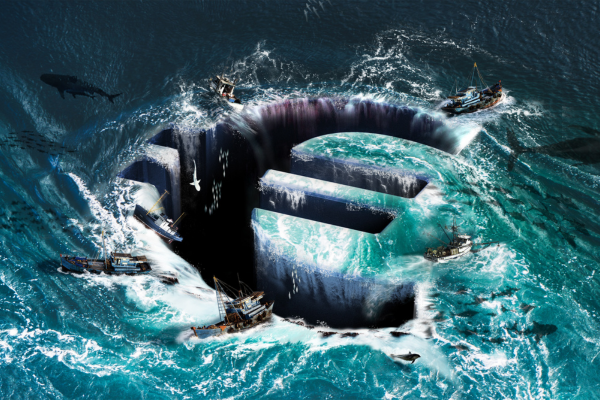
Around the world, public subsidies are granted to sustain the fishing industry and support its expansion. A large share of these subsidies harms ecosystems and jeopardises the future of fisheries themselves by encouraging fleet overcapacity and, more broadly, overfishing.1
In 2018, the global fishing sector received $35.4 billion in subsidies, with industrial fisheries alone receiving more than 80% of this amount, although they represent less than 20% of the total fleet.2 At the European level, the fishing industry received over €29 billion in public aid over twenty years (2000-2020), 40%–50% of which has been spent on capacity-building measures that have increased fishing opportunities.3
BLOOM is leading a European campaign to eliminate subsidies that support fisheries which destroy marine ecosystems, the climate and jobs, drive the transition towards a sustainable fishing model, and increase transparency over the use of public funding in the fisheries sector.
Read our joint policy briefing with other NGOs calling for a fundamental shift in how EU public money is used for the ocean and fisheries.
While overfishing has been identified by the Intergovernmental Science-Policy Platform on Biodiversity and Ecosystem Services (IPBES) as the leading cause of marine ecosystem destruction over the last fifty years,4 the burning of fossil fuels has been identified as the leading cause of climate change. Despite this, fuel subsidies (including tax exemptions) account for the majority of subsidies allocated to the fishing sector worldwide (22%).5
Due to their heavy diesel consumption, trawlers are the highest CO₂ emitters in the fishing fleet and receive 70% of public subsidies, largely through their exemption from Domestic Consumption Tax on Energy Products (TICPE).6
BLOOM has developed a European campaign to support the gradual introduction of a tax on fossil fuels used by fishing vessels. Ideally, this tax should be based on the annual volume of fuel consumed by each vessel, in order to favour small-scale coastal fishing vessels, which consume less diesel, over the most energy-intensive vessels. Such a tax could generate €1.5 billion per year that could be redirected towards the ecological and social transition of European fisheries and the resilience of coastal communities.
In 2018, global subsidies aimed at boosting fishing capacity amounted to $22.2 billion, over 80% of which went to large-scale industrial fisheries, leading to overfishing, ecosystem degradation and poor social investment. Despite the 2022 World Trade Organisation (WTO) agreement on fisheries subsidies, which came into force in 2025, to ban certain subsidies for Illegal, Unreported, and Unregulated (IUU) fishing, many harmful subsidies not covered by the agreement remain in place due to a lack of consensus, delaying the implementation of comprehensive global reform.7
At the European level, public funds continue to support capacity-enhancing measures, both directly and indirectly, even though their negative impacts have been well documented8 and the European Court of Auditors has recommended ending support for the construction, acquisition or scrapping of vessels.9
In 2026, the EU is negotiating its budget for the 2028-2034 period under the Multiannual Financial Framework (MFF).10 BLOOM advocates for the integration of new safeguards into future funding rules, including a ban on any new harmful or ambiguous subsidies, or any other form of financial support likely to encourage overfishing or overcapacity, in order to comply with SDG 14.6 and the WTO Agreement on Fisheries Subsidies, which entered into force in September 2025.
Public money should instead support activities that strengthen resilience and long-term economic viability. Ensuring that public money serves the public interest lies at the heart of BLOOM’s recommendations.
In order to eliminate harmful subsidies, it is essential to be able to identify them. However, the lack of transparency in the sector makes this process more difficult. In the absence of a harmonised and systematic system for collecting data on fisheries subsidies at the EU level, and due to a lack of transparent reporting by Member States, it remains very difficult to determine the precise amount, nature and beneficiaries of the aid allocated, as well as the projects funded.
This lack of transparency is a major obstacle to conducting a critical assessment of subsidies, as well as to identifying cases of misuse and fraud. Compliance with international obligations, notably SDG 14 and the WTO Agreement on Fisheries Subsidies, adopted in June 2022 and entered into force in September 2025, requires consistent eligibility criteria, meaningful transparency and the effective application of all financial instruments. The EU, as a signatory to this agreement, must ensure that public funds do not support fisheries that fail to meet eligibility criteria and funding conditions, or that operate in breach of European law. To prevent such outcomes, funding must be subject to the highest standards of transparency.
This is why, as part of our European and French advocacy work, we are running a campaign to ensure the responsible use of public funds and the protection of public goods.
BLOOM advocates for future funding rules to include clear, comprehensive and binding mechanisms capable of guaranteeing full transparency in the allocation and use of European funds, State aid and all forms of direct or indirect subsidies. These mechanisms must be accompanied by effective monitoring and control tools, as well as adequate ressources for the competent authorities.
Read our report (only available in French)Bottom trawling is among the most destructive fishing methods. It relies on towed gear that scrapes the seabed, destroying everything in its path with no selectivity, while emitting colossal amounts of CO2.11 Yet in France, despite their poor environmental, social and economic performance, large trawlers and seiners receive 70% of the European subsidies granted to the fishing sector each year, amounting to €135 million.12 Researchers at the Institut agro Rennes-Angers who carried out the TRANSIPÊCHE assessment (2024), also showed that the viability of these same fleets depends directly on public aid, without which they would not be profitable.
The same study highlighted that small-scale coastal fishing, particularly methods using traps and lines, performs well across the board. It creates up to ten times more jobs and added value than large trawlers, whilst emitting 3 to 4 times less CO2.13 Yet, although small-scale coastal fisheries represent 75% of the European fleet and exert less ecological pressure than industrial fishing, they received only 20% of European fisheries funding up to 2021.14 The rest was captured by industrial operators to increase capacity and support some of the most energy-intensive and environmentally destructive techniques.
BLOOM has been campaigning for years to ban subsidies for destructive fishing methods through various channels, including research, policy advocacy, lobbying, coalitions with other organisations and public mobilisation. In 2019, we secured a ban on electric fishing in European waters, a practice that had previously been heavily subsidised.
Our campaign calls on the European Union and Member States to strengthen the conditions for granting subsidies, by linking them to measurable environmental and social outcomes. We recommend redirecting subsidies towards fisheries with a low impact on marine ecosystems, restricting support for energy-intensive gear, prioritising activities that generate greater socio-economic value, and funding the transition of vessels towards less destructive fishing practices, particularly static gear.
As the world’s largest carbon sink, the ocean is the primary regulator of the climate. The prosperity and profitability of fisheries depend on the good health of the ecosystems that ensure the abundance of fish stocks. Strengthening the resilience of these ecosystems is therefore essential to securing the future productivity of fisheries and reducing their vulnerability to environmental shocks.
However, EU policy has not yet incorporated the climate-regulating functions of marine ecosystems into its funding strategies. Member States have allocated only a marginal share of EU funds to the protection or restoration of marine habitats and fish stocks. According to a report published by the European Court of Auditors in 2020, the four Member States audited, Spain, France, Italy and Portugal, had only used around 6% of their total funding under the European Maritime and Fisheries Fund (EMFF, 2014 – 2020) for conservation measures. Of this amount, less than 0.2% was spent on limiting the ecological impact of fishing.
Despite the EU’s stated objectives on marine protection and climate change mitigation,15,16,17,18 public funds continue to support operations that contribute directly or indirectly to degrading the oceans’ ability to sequester carbon. The next programming of European funds under the Multiannual Financial Framework (MFF) therefore represents a unique opportunity to channel fair and transparent subsidies towards sustainable fishing and the restoration of marine ecosystems.
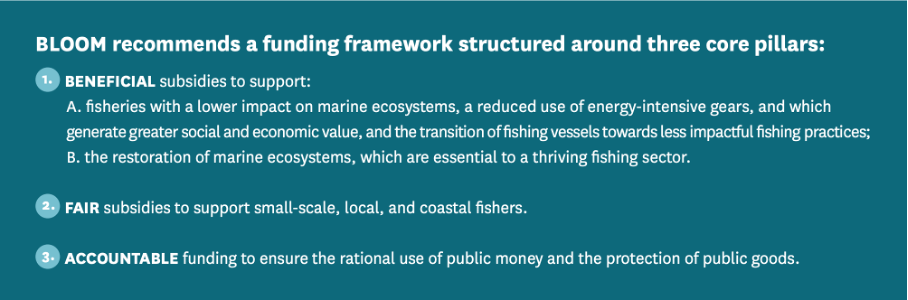
in public subsidies was allocated to the global fishing sector in 2018, of which:
are harmful subsidies that encourage overcapacity and overfishing.
are fuel subsidies.
of the global fleet is composed of industrial fisheries.
of all subsidies have been received by these industrial fisheries.
On a regular basis, we occupy the public space surrounding the next EU budget with our NetGains newsletter.
Newsletters are programmed according to the political agenda or BLOOM’s internal priorities and events.
Click below to read our previous newsletters.
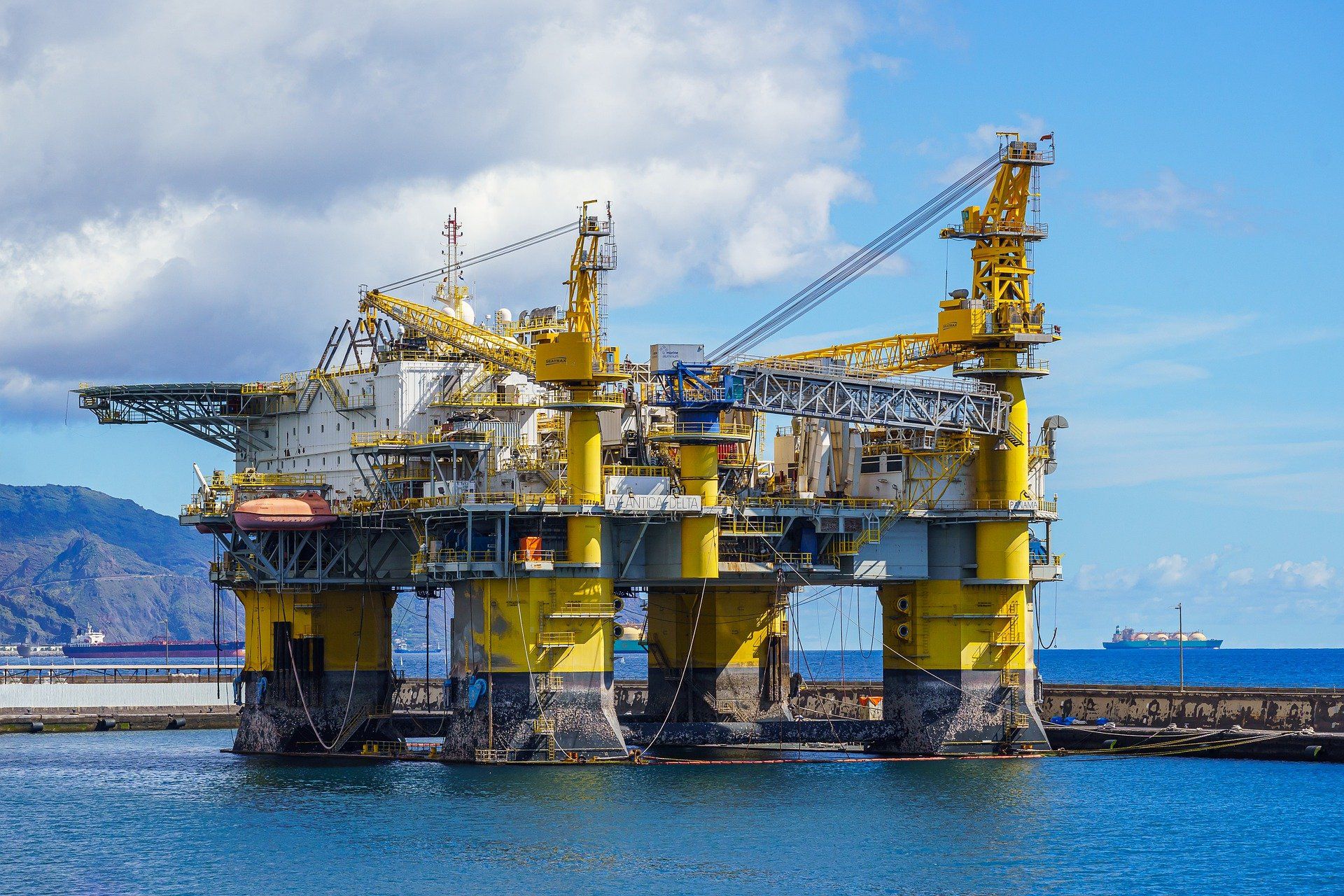
Despite the acceleration of climate disasters, which are becoming more severe and frequent, European governments still refuse to tackle the root cause of climate change: fossil fuels.
Instead, the European Union continues to subsidise fossil fuels, with governments effectively using our public money, i.e. the wealth generated by our work, to destroy our future. The most polluting sectors, such as aviation, fishing and shipping, still benefit from massive fossil fuel tax exemptions. This means that while the rest of us fill up our cars with taxed fuel, aeroplanes, fishing vessels and cargo ships pay no tax at all.
Introduced in the EU in the 1980s, these sector specific tax exemptions are now obsolete and represent a major hurdle to the energy transition of EU economies.

The first comprehensive assessment of more than 30 years of European public funding for the fishing sector.
Read the report
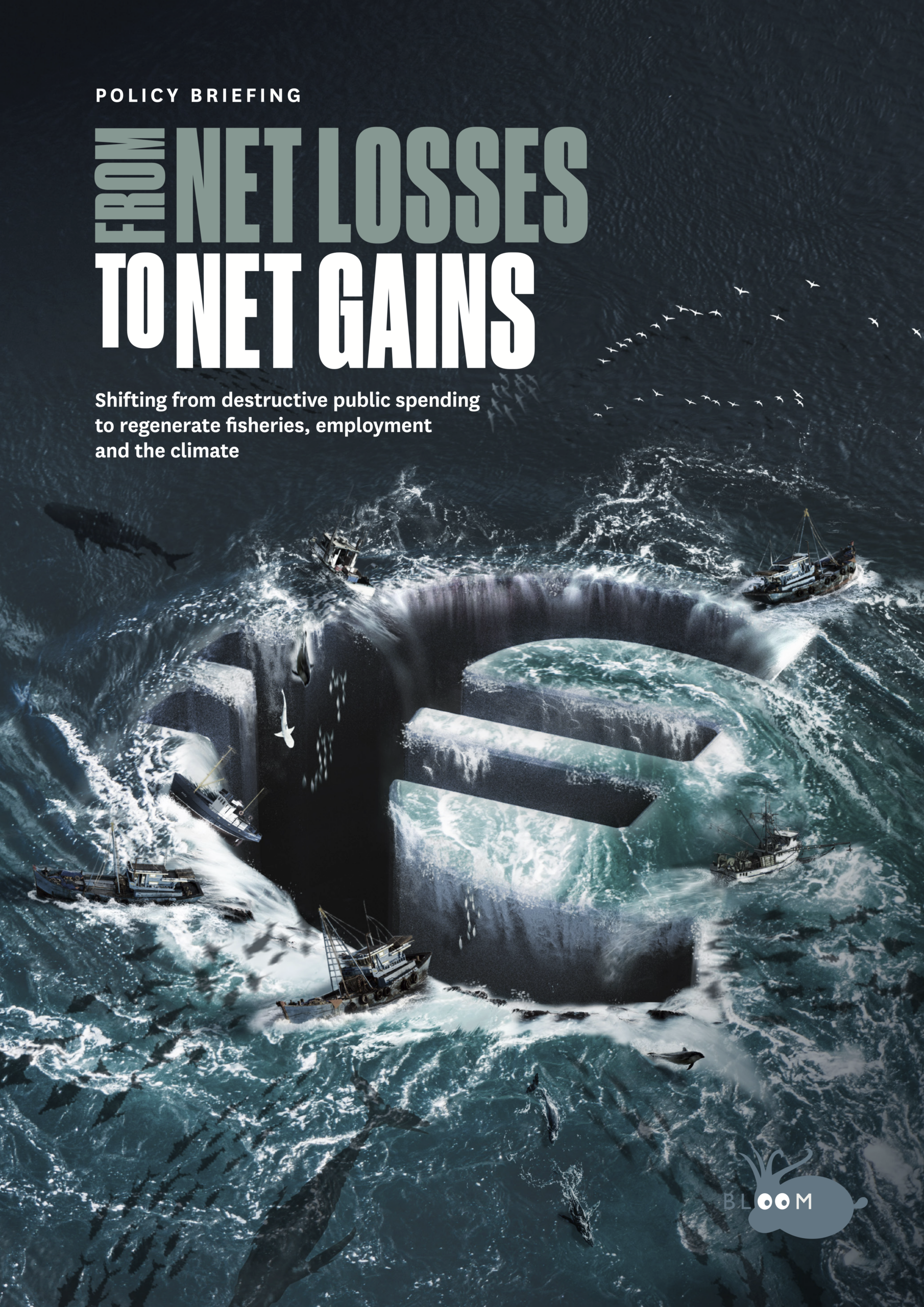
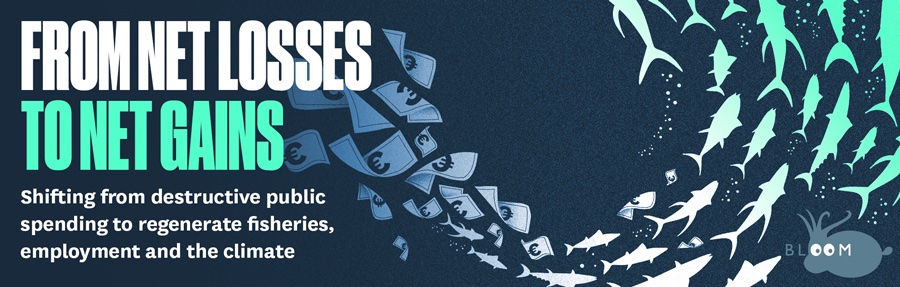
Shifting from destructive public spending to regenerate fisheries, employment and the climate.
Read the report
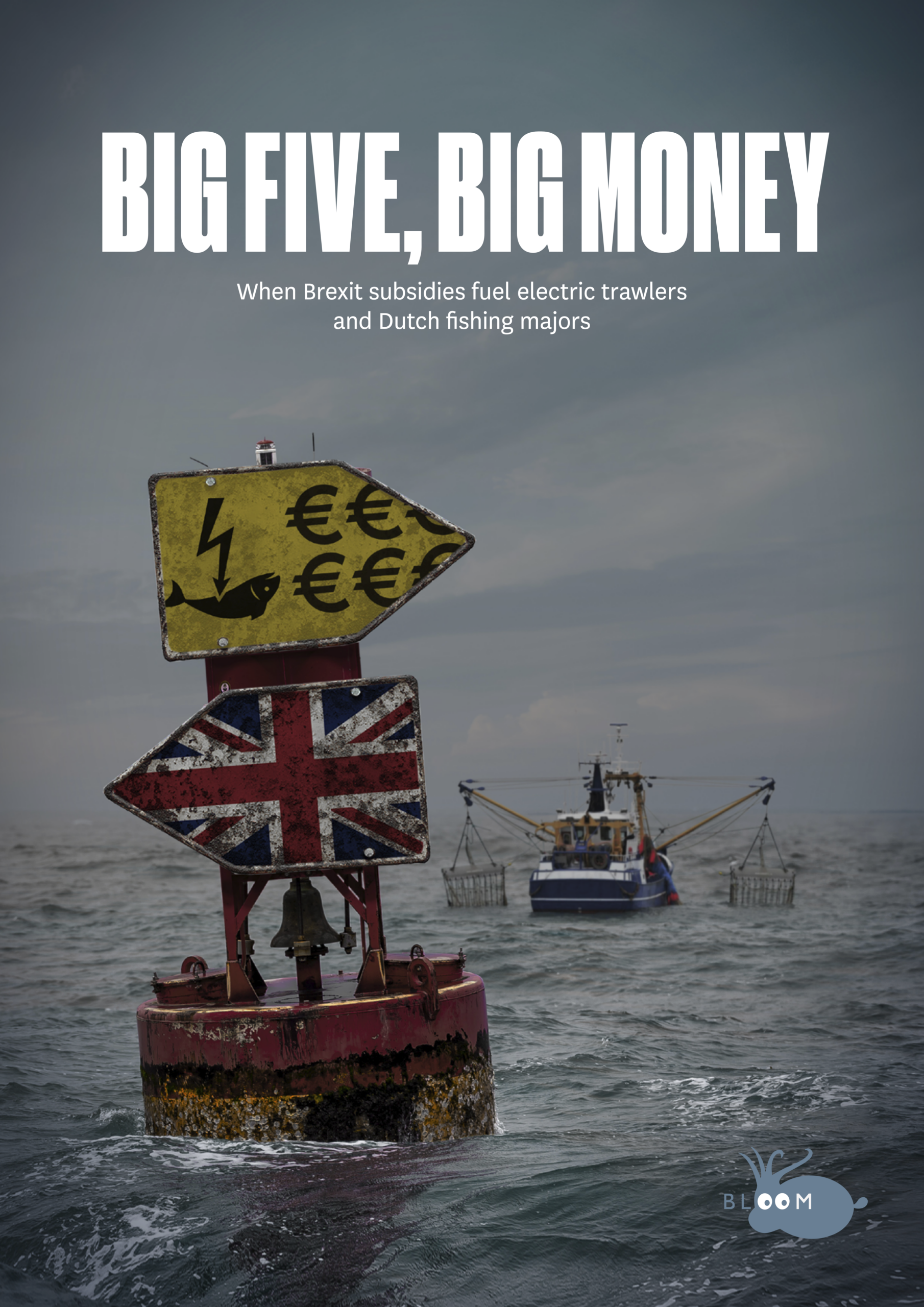
When Brexit subsidies fuel electric trawlers and Dutch fishing majors.
Read the report
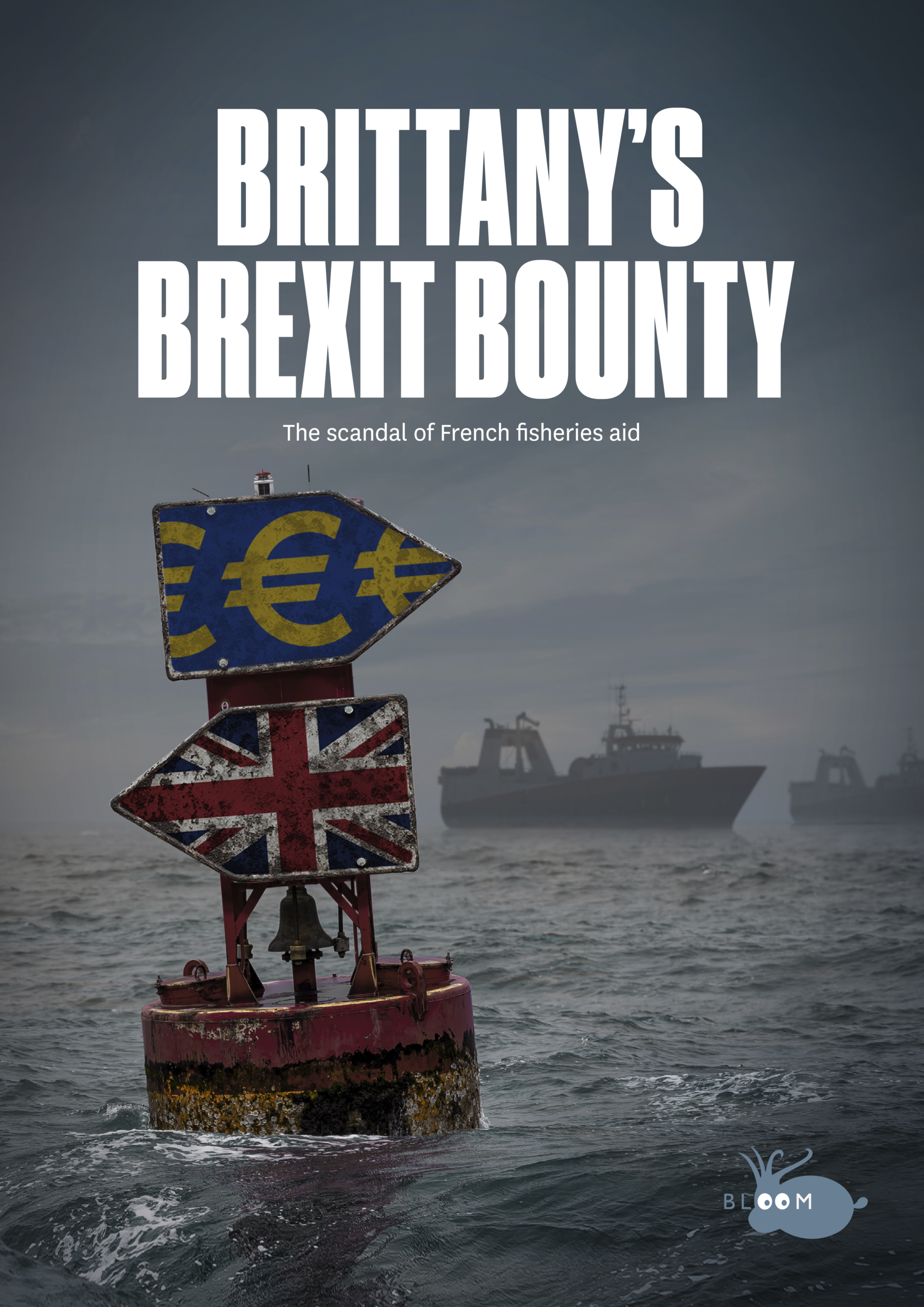
The scandal of French fisheries aid.
Read the report
How public action in France misses the challenges of transition: a summary of public subsidies allocated to the French fishing sector between 2020 and 2022.
Read the report
27 October 2026
Read more
21 September 2026

08 July 2026
11 June 2026

28 May 2026
22 May 2026
03 April 2026
24 March 2026
23 February 2026
18 December 2025
21 September 2026
08 July 2026
Find out about BLOOM’s European campaign on the Implementing Regulation for the European Maritime and Fisheries Fund (EMFF). This fund has a budget of over 6 billion euros and will cover, from 2021 to 2027, all European expenditure allocated to fisheries, aquaculture and the protection of the marine environment.
This campaign page is only available in French.
Find out moreFind out about the stages of BLOOM’s international campaign, called ‘The Low Hanging Fish’, which calls for a ban on harmful subsidies.
Find out moreFollowing up on the blatant inequalities in the allocation of COVID aid in 2021, BLOOM reveals a new financial scandal linked to public subsidies granted to the fishing industry in France. Our ground-breaking investigation, “Brittany’s Brexit Bounty”, shows how the fishing industry based in Brittany got its hands on Brexit aid at the expense of other regions, which were on the front lines when it came to the closure of British waters. This once again illustrates the unacceptable joint management of public money and natural resources by the government and industrial fishing lobbies.
Find out moreA new BLOOM study, published in the scientific journal Marine Policy, highlights the massive and unequal allocation of COVID aid to the most powerful companies in the sector with destructive fishing practices.
Find out moreFollowing the discovery of extensive COVID aid fraud in 2022, BLOOM’s explosive new investigation reveals a major financial scandal and serious malfunctions in the industrial fishing sector in the Netherlands, linked to public authorities. Our analysis of the European subsidies granted in the context of Brexit under the Dutch ministerial decrees of 25 July 2022 and 12 April 2023 reveals how public aid, intended to support struggling fishers, was largely captured by a handful of industrial giants and allocated abusively, even illegally. The 135 million euros in European funds that were supposed to alleviate the consequences of the loss of access to British waters and the reduction in fishing quotas for certain species for Dutch fishers were allocated to 51 vessels for dismantling (97.4 million euros) and to 71 vessels (36.5 million euros) for temporary cessation of fishing activity.
Find out more